



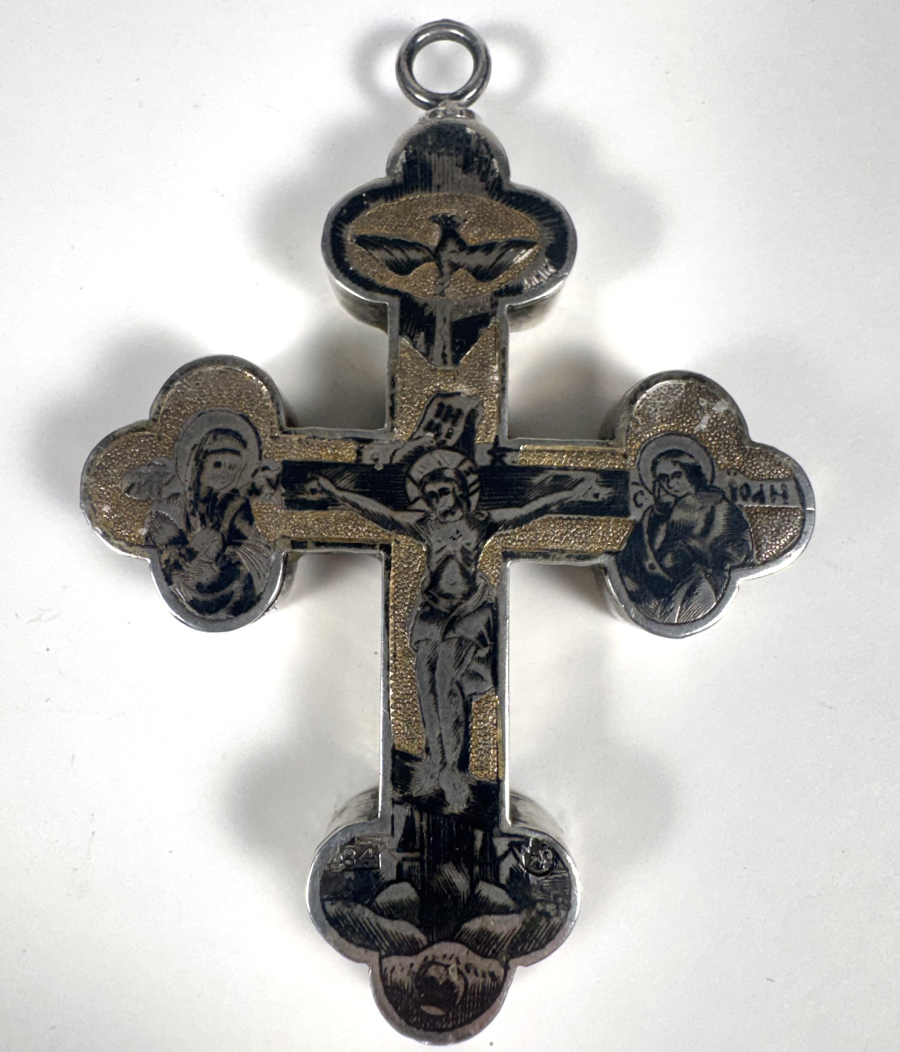
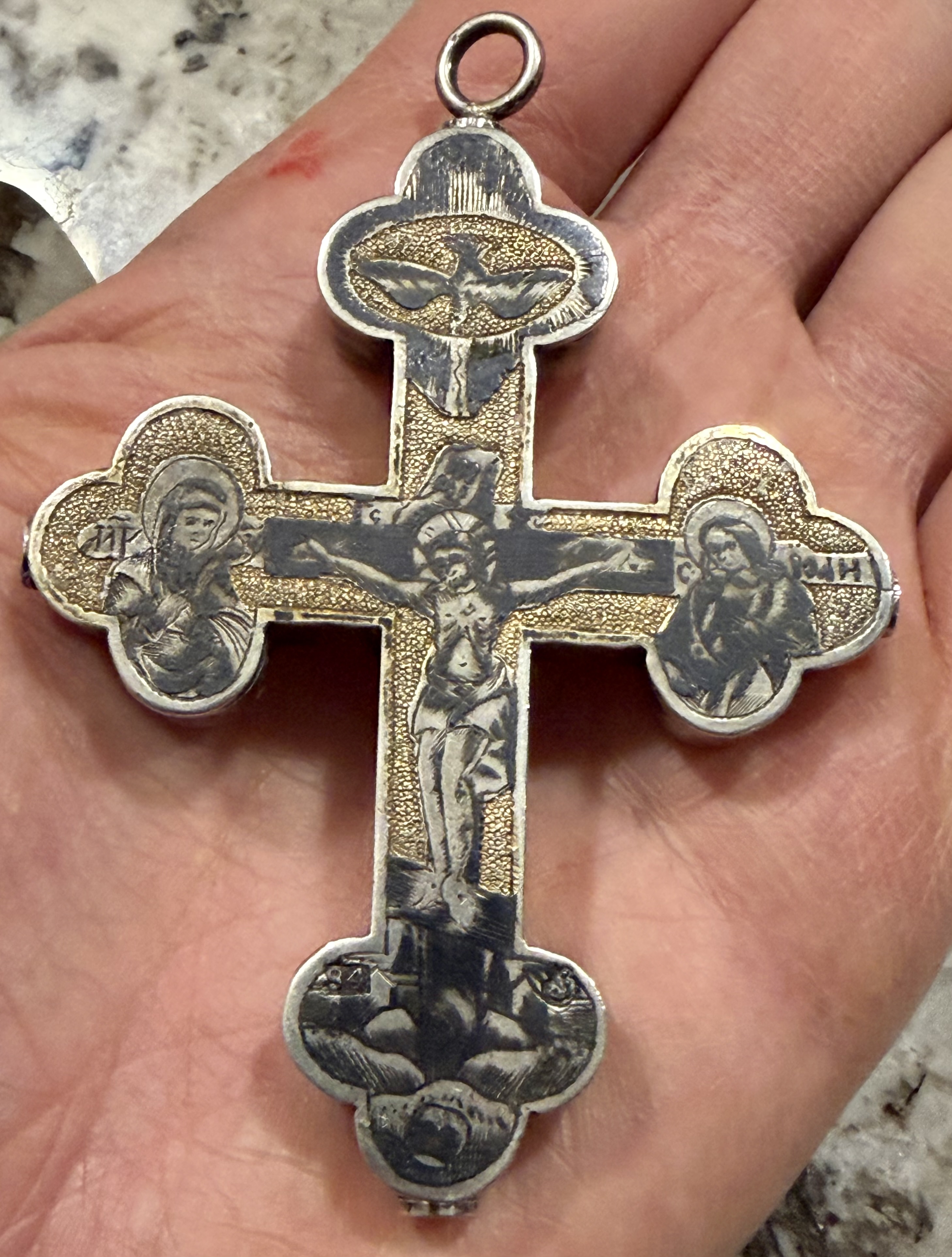
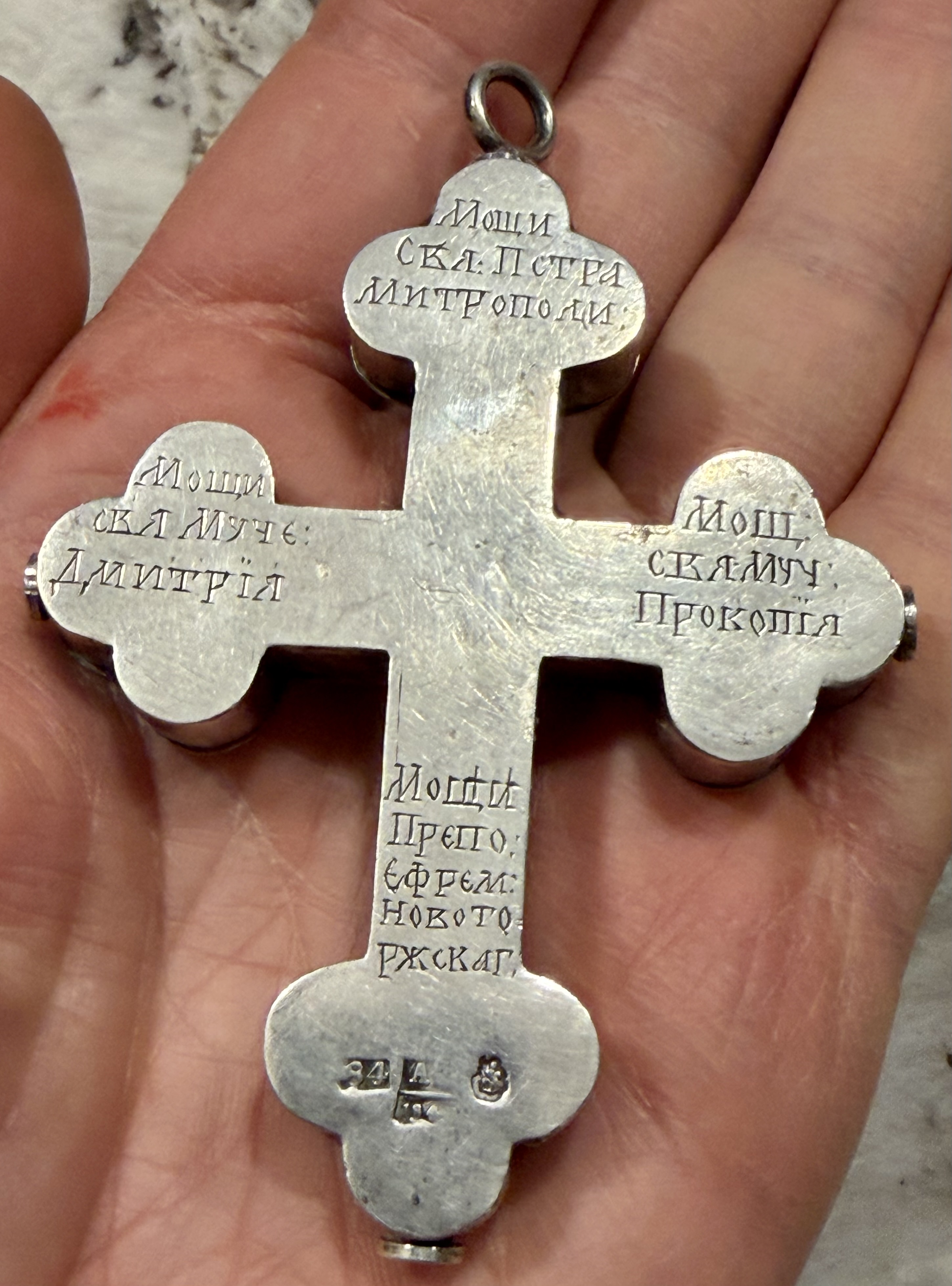
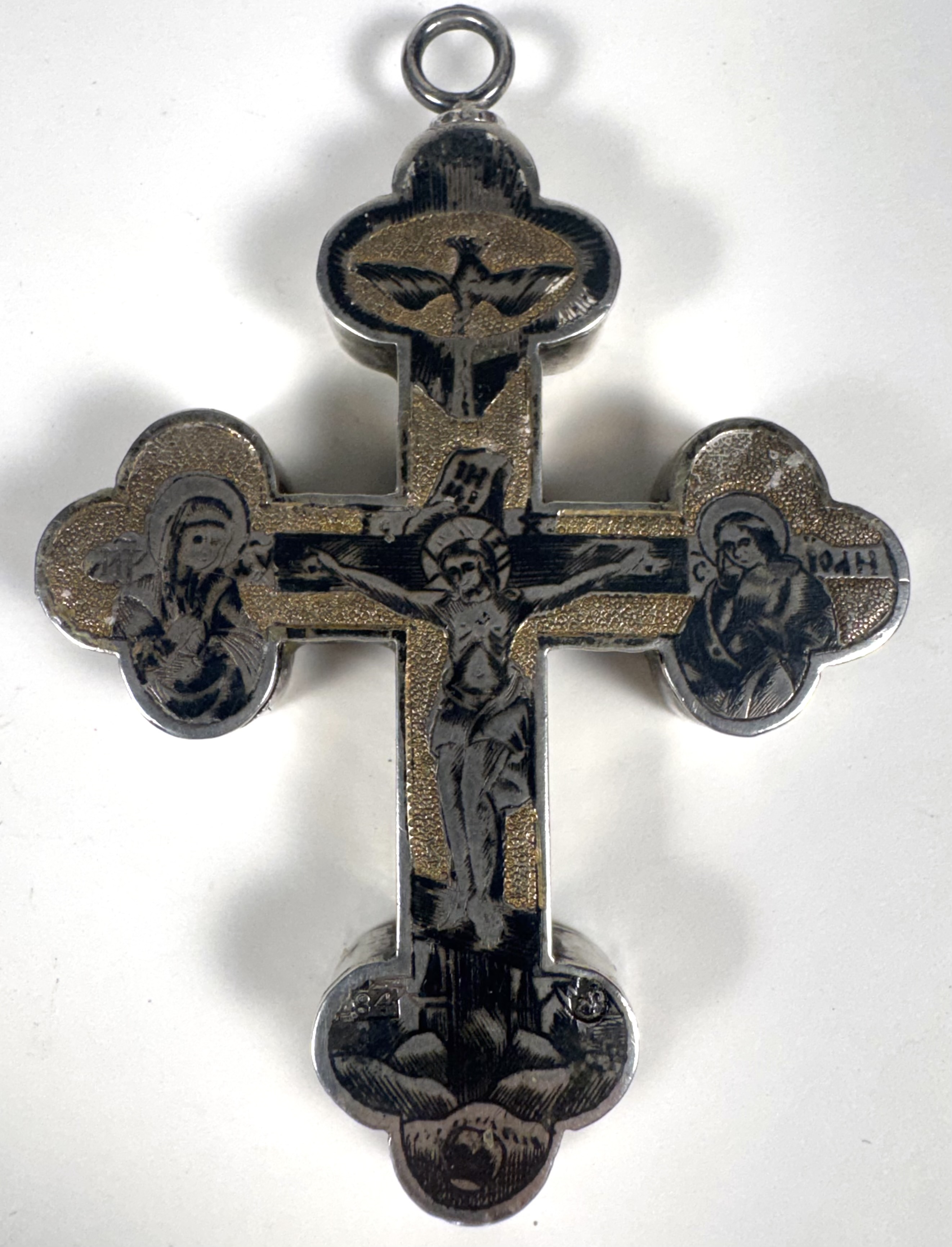
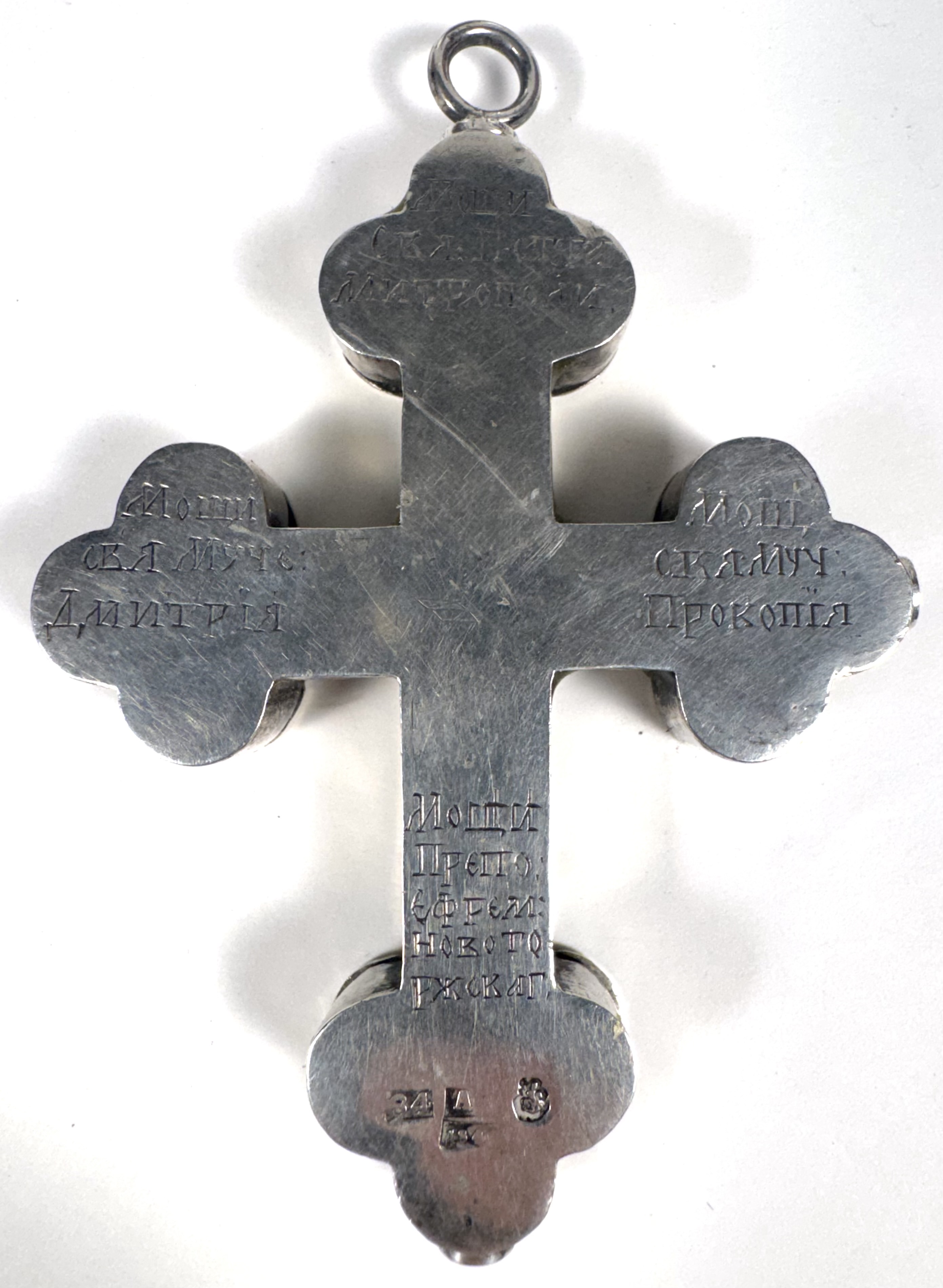
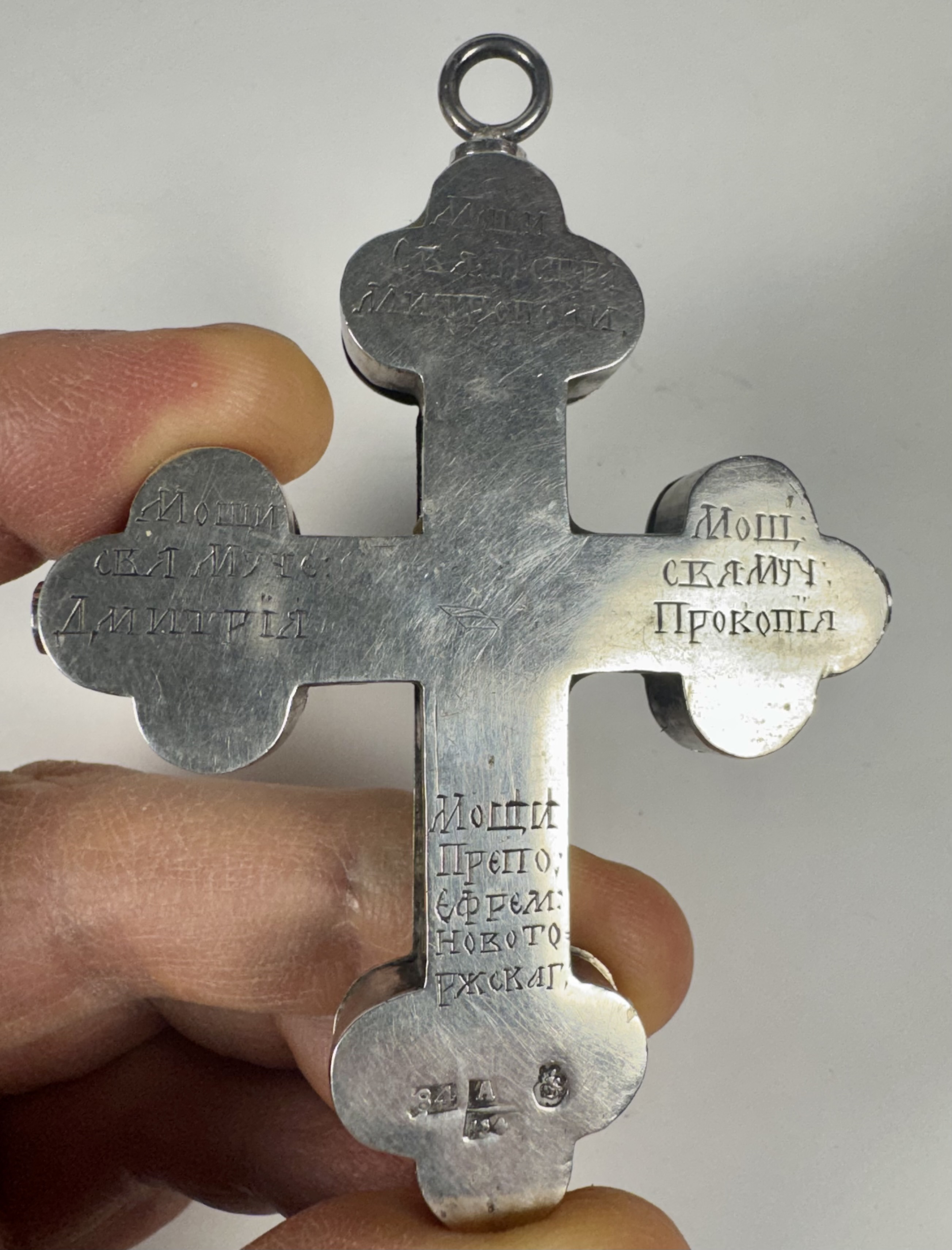
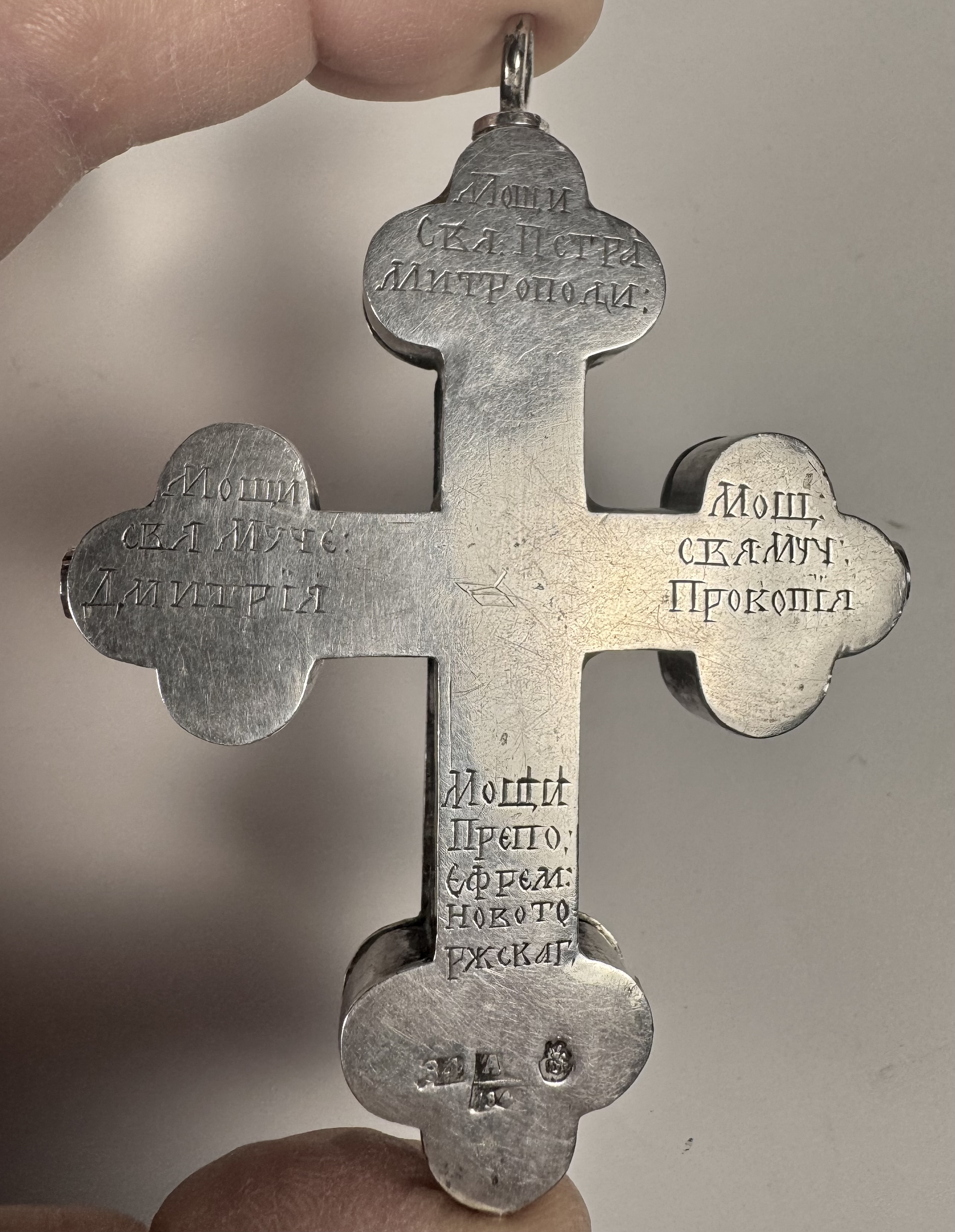
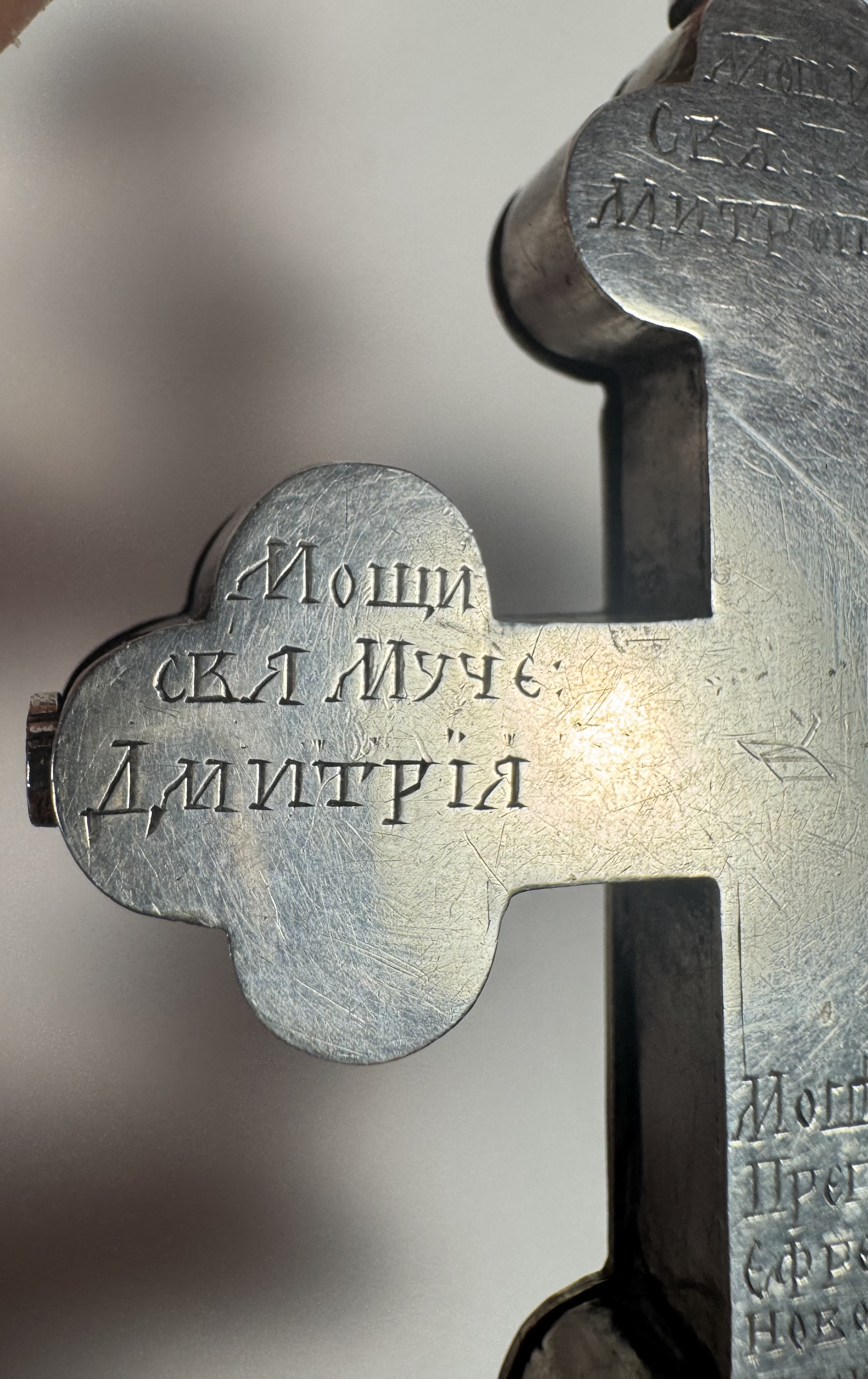
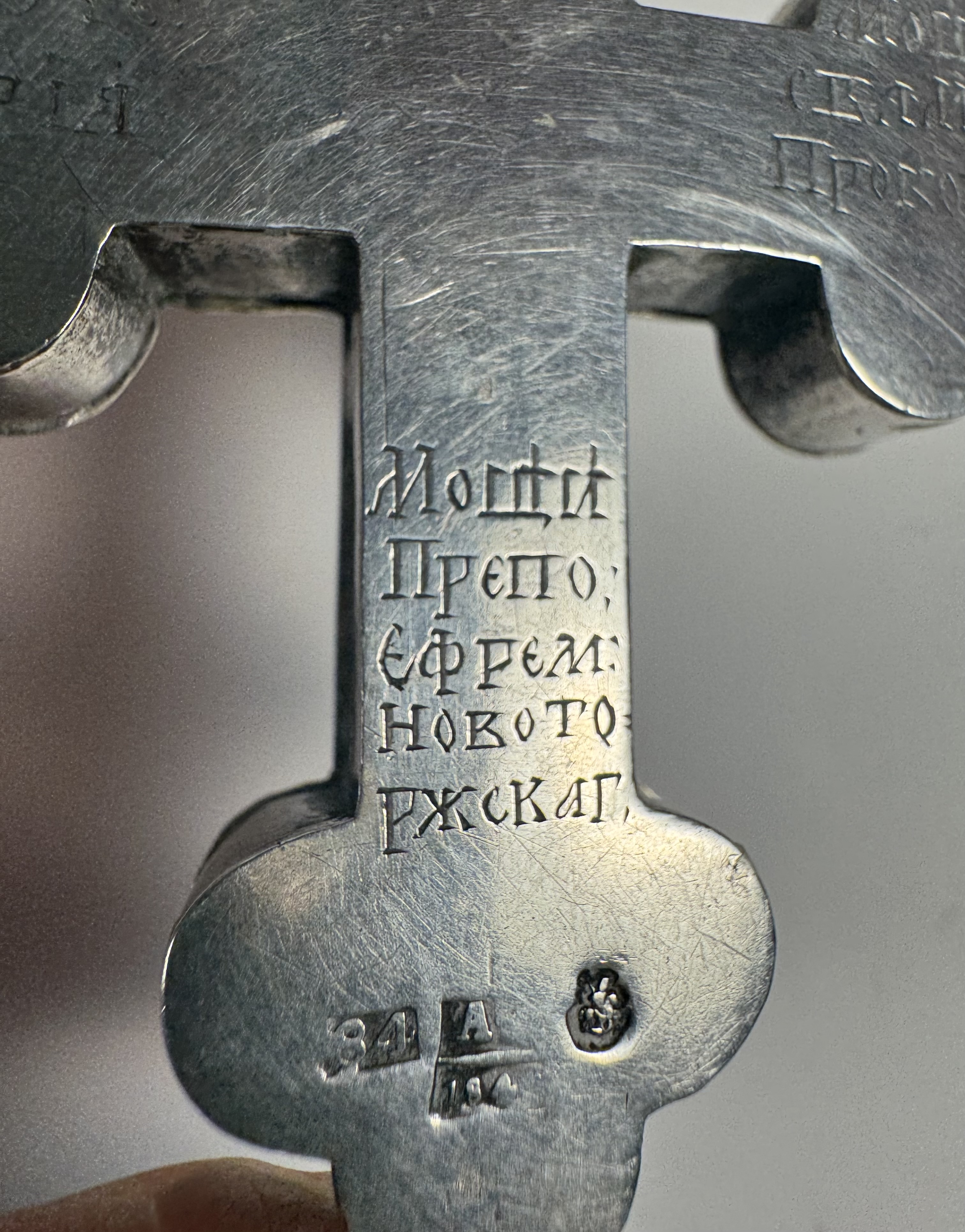
Saint Demetrius, the Great Martyr of Thessaloniki (†306 ) rose to prominence as a Roman military officer and proconsul under Emperors Diocletian and Maximian. Tasked with persecuting Christians, Demetrius instead openly professed his faith, teaching and converting many. Imprisoned during the Great Persecution, he blessed the young Christian Nestor, who defeated the emperor's favored gladiator Lyaeus. Enraged, Maximian ordered Demetrius executed by spearing in prison. His relics, buried secretly, later exuded fragrant myrrh, performing miracles. His primary feast day is October 26 in the Eastern Orthodox Church (November 8 on the Julian calendar) and Eastern Catholic Churches; in the Roman Catholic Church, he is commemorated on April 9.
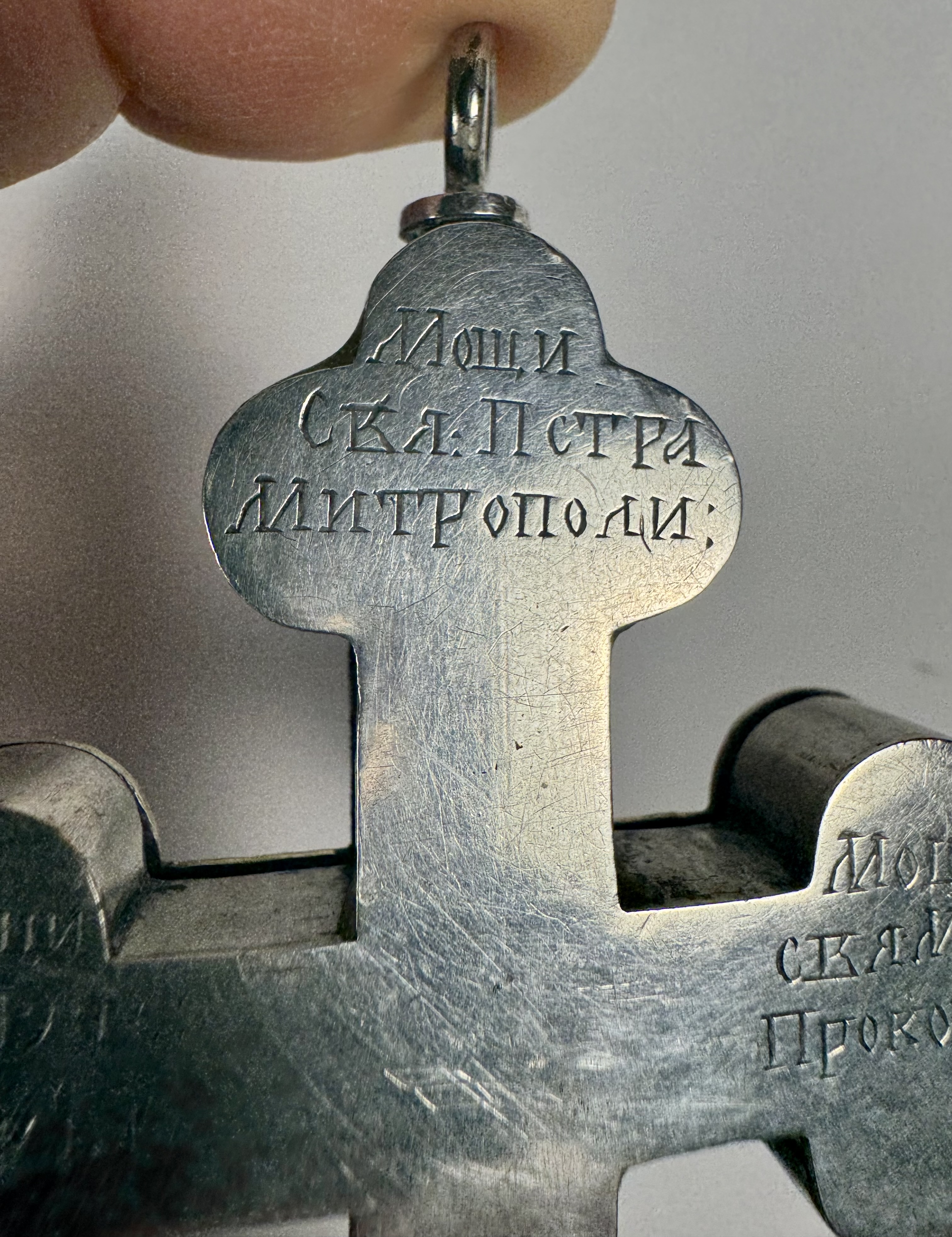
Saint Peter, Metropolitan of Kiev, Moscow, and all Russia (†1326) was born in Galicia-Volhynia. Entering monastic life at age twelve, he became an accomplished icon painter and founded the Transfiguration Monastery on the Rat River. In 1308, Patriarch Athanasius I of Constantinople appointed him metropolitan amid rivalries between Russian princes under Mongol rule. Peter supported Moscow’s Grand Prince Ivan Kalita and, in 1325, permanently transferred the metropolitan see from Vladimir to Moscow, laying the foundation for the city’s rise as Russia’s spiritual and political center. Canonized in 1339 for miracles at his tomb, his relics rest in Moscow’s Dormition Cathedral. His feast day is commemorated on December 21.
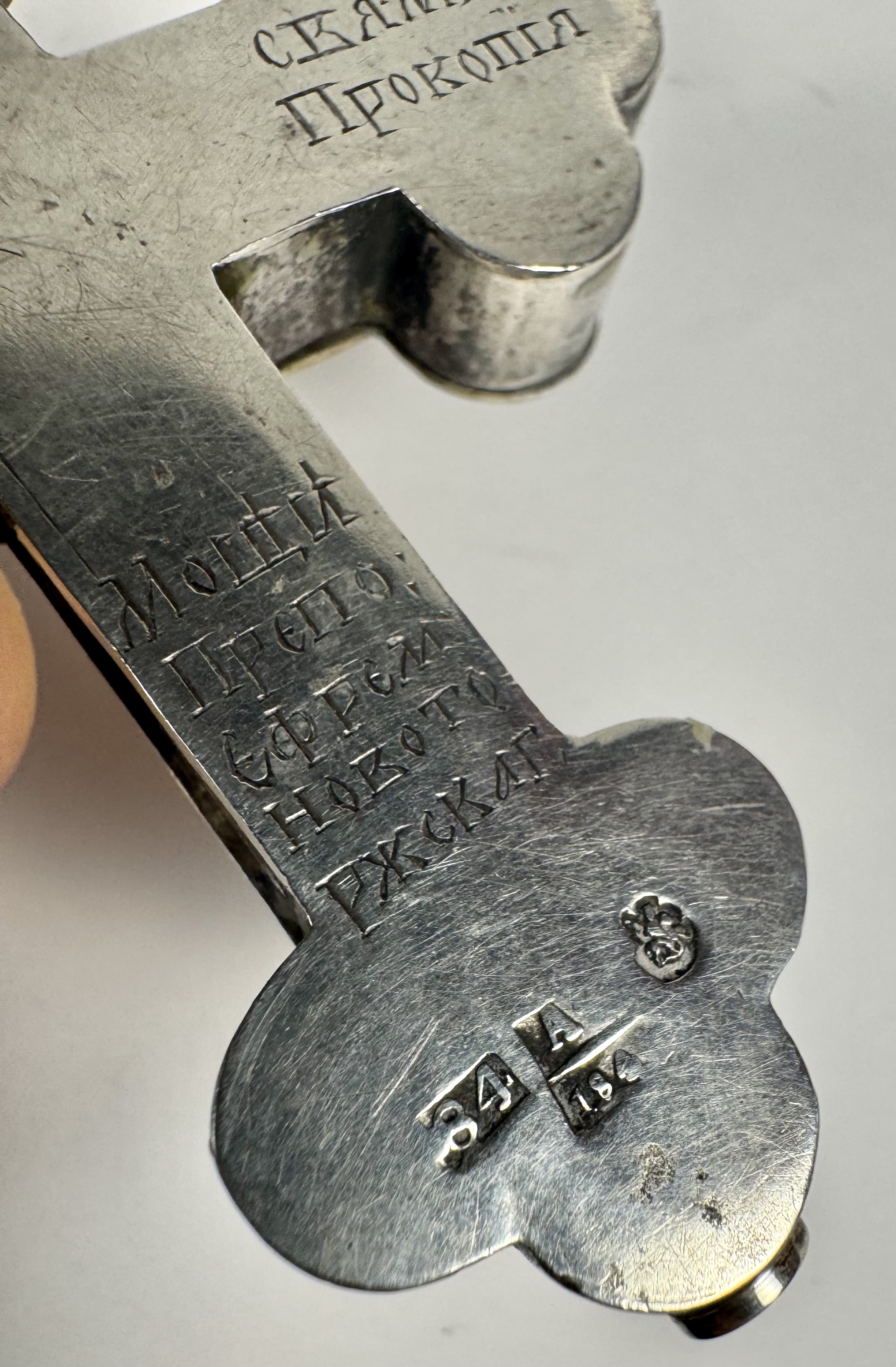
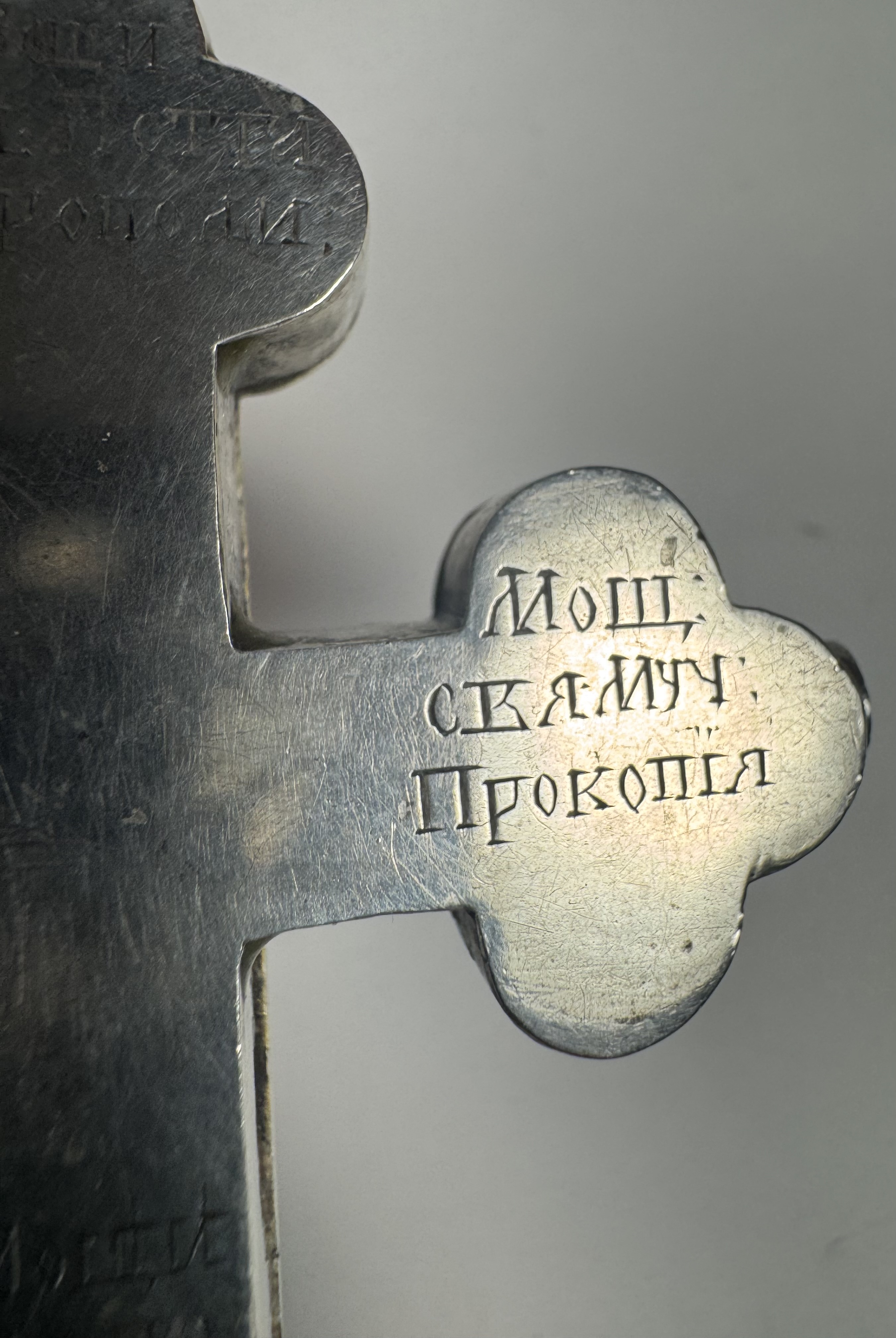
Saint Procopius, Martyr of Scythopolis († 303), lived in Scythopolis (modern Israel). Renowned for asceticism, he served as lector, translator of Scripture into Syriac, and exorcist. According to Eusebius of Caesarea, during Diocletian’s persecution he became the first martyr in Palestine. Arrested in Scythopolis and brought to Caesarea, Procopius boldly confessed Christ, refused to sacrifice to idols, and endured torture before being beheaded. Later hagiographic traditions embellish his life, portraying him as a pagan officer dramatically converted by a vision. Venerated in both East and West, his feast is celebrated on July 8.
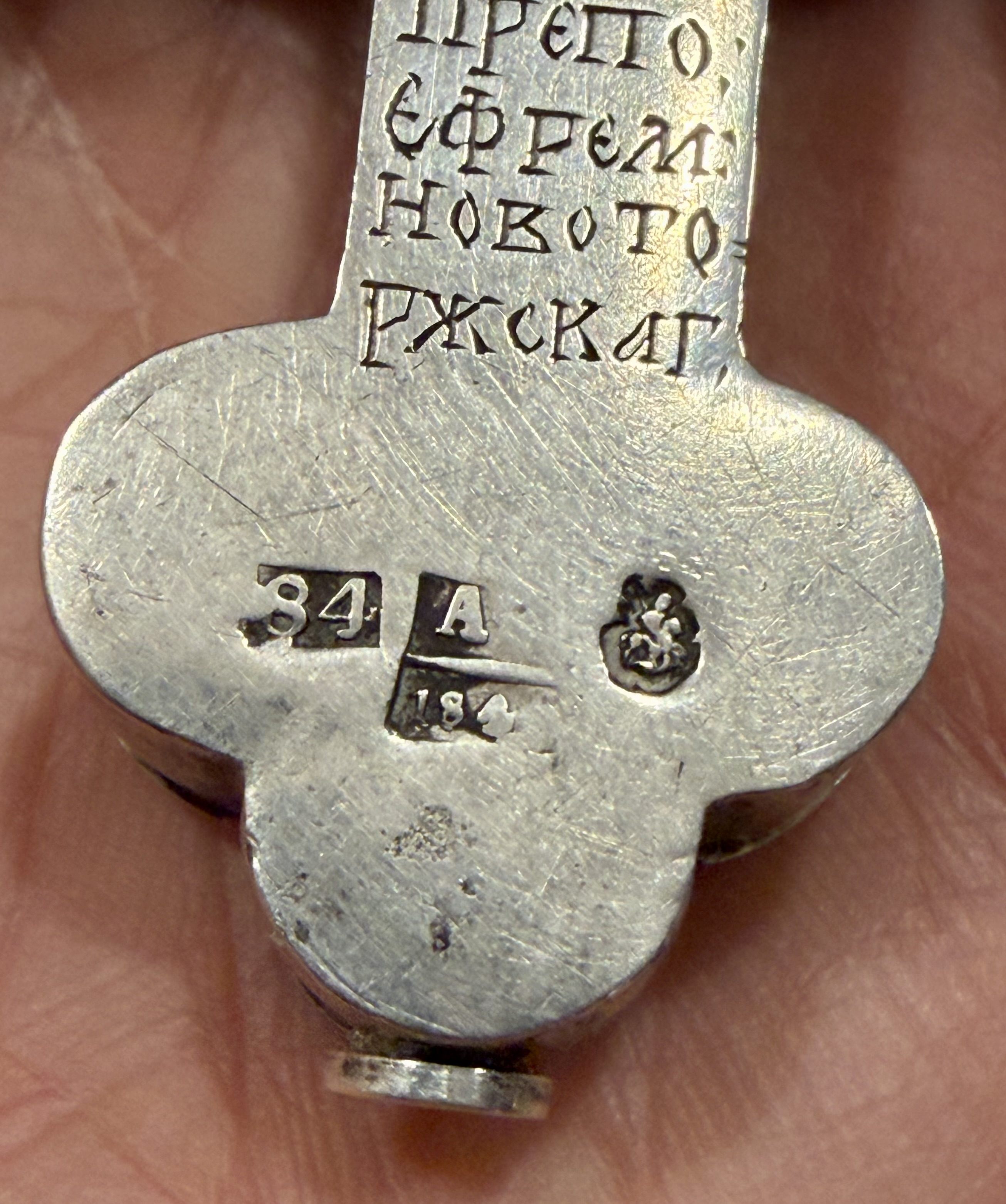
Venerable Ephraim of Novy Torzhok († 1053) founded the Boris and Gleb Monastery in Torzhok (historically Novy Torg), Russia. Born in Hungary to a noble family, he and his brother Arcadius converted to Orthodox Christianity and fled religious persecution. Arriving in Kievan Russia, they settled in Torzhok, where Ephraim, in 1038, established the monastery dedicated to Russia’s first canonized saints, Boris and Gleb, becoming its first abbot. Renowned for asceticism, humility, and miracles, he reposed peacefully. His relics, later uncovered, became a source of healings. Canonized by the Russian Orthodox Church, he is commemorated on January 28.



 Поменять язык на русский